

The most useful question about a new tennis product is not whether it promises more spin, power or comfort. Almost every launch does. It is what has changed, how that change relates to your game and whether the difference is worth paying for.
The 2026 launches offer several distinct stories. Established racquet families have received redesigned frames and grommets. New product lines have appeared alongside them. Footwear development continues to focus on the combination of movement, support and cushioning. None of those developments automatically makes last year’s equipment obsolete.
This guide examines seven confirmed 2026 launches. Product descriptions and release dates come from manufacturers and their announcements. The practical assessments explain what a player could investigate during a demo; they are not results from Tennisin60 laboratory testing or a claim that we have played with every product. Availability can differ by model and country.
Separate a new product from a new promise
Three categories help explain the year’s equipment. A new generation updates an established family. A new platform introduces a different product line or construction approach. A cosmetic edition changes appearance, sometimes without changing the underlying playing specification.
All three can have value, but they deserve different explanations. A player may happily buy a colour they prefer. That should not be confused with evidence of a performance improvement. Equally, a new construction concept deserves investigation without being declared better before it has been compared fairly.
The launches below include established names such as VCORE, Pure Aero and Blade, alongside newer names including SQUARED, MUSE and Defyer. Each asks a slightly different question about what players want from their equipment.
Yonex VCORE brings another approach to accessible spin
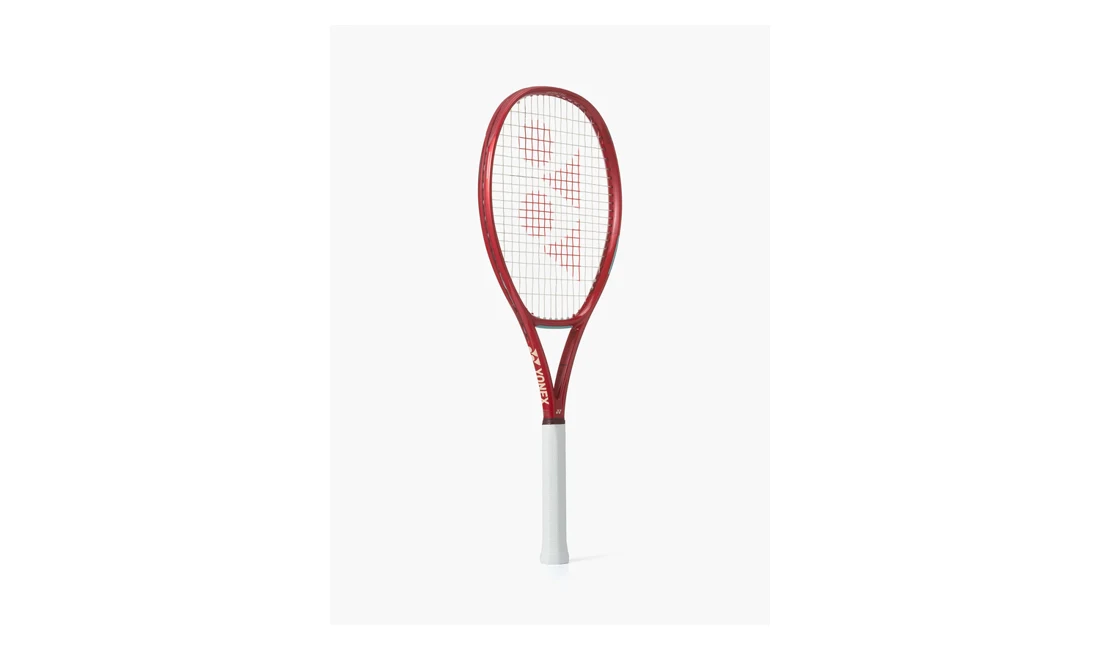
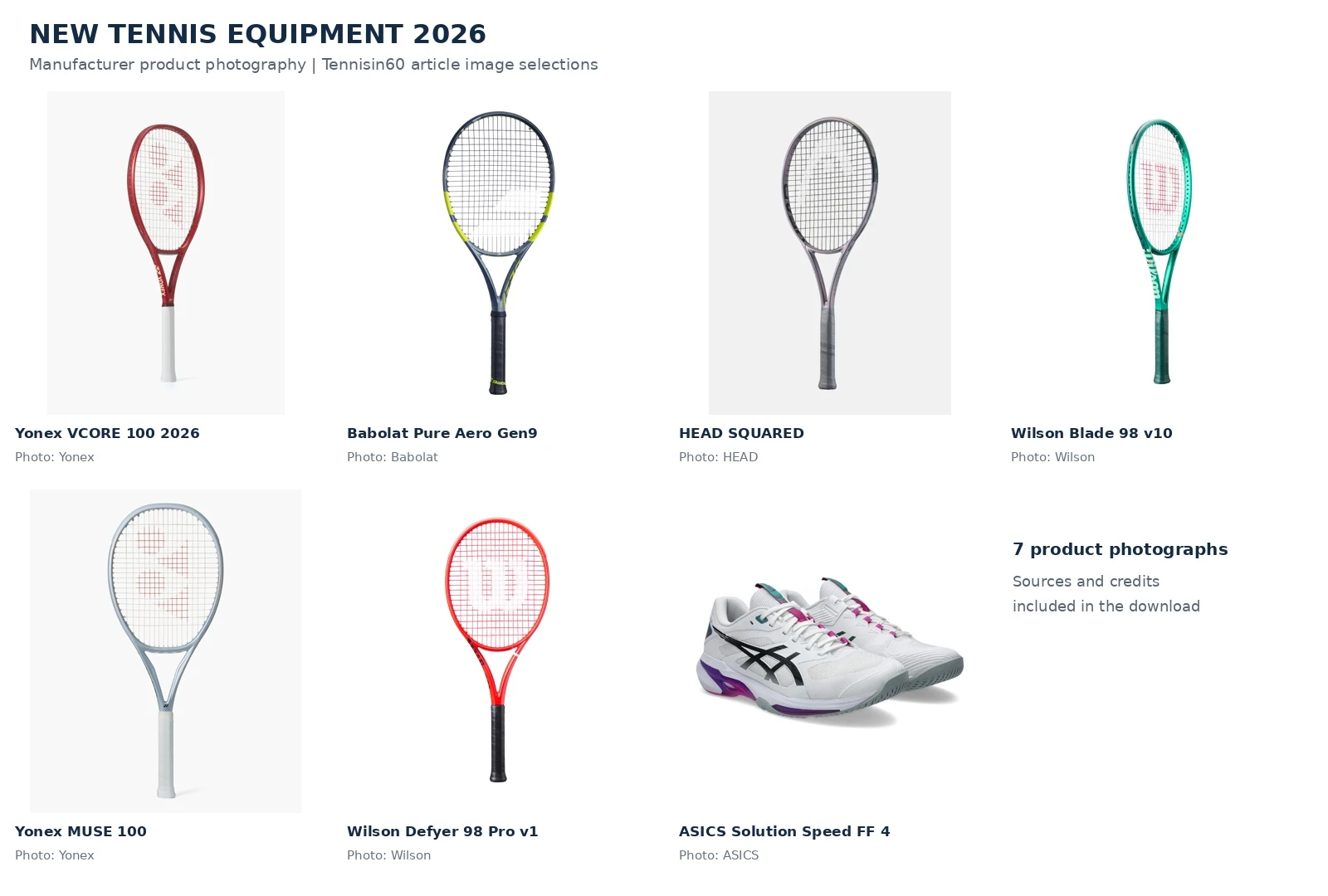
Yonex scheduled the eighth-generation VCORE’s global introduction for January 9, 2026, with additional models following on February 27. The manufacturer describes a reshaped upper frame, revised grommets and changes intended to improve aerodynamic performance and string movement. It also highlights Servo Filter, 2G-Namd Flex Force and VDM within the construction. 1
The stated objective is to make the racquet’s spin potential easier to access while retaining stability and ball feel. These are Yonex’s design claims, rather than proof that every player will produce a measured increase in ball rotation. 1
A useful demo would compare your normal rally ball with the previous VCORE or your current racquet. Can you create a higher, deeper ball without losing your preferred response when driving through the court? Does the racquet still behave predictably when you block a fast return?
Choose the exact model before making the comparison. A lighter frame and a heavier frame within the same family are separate purchasing decisions. If you already like your VCORE, the new generation is a reason to test an alternative, rather than an automatic reason to replace it.
Babolat Pure Aero Gen9 refines a familiar spin concept
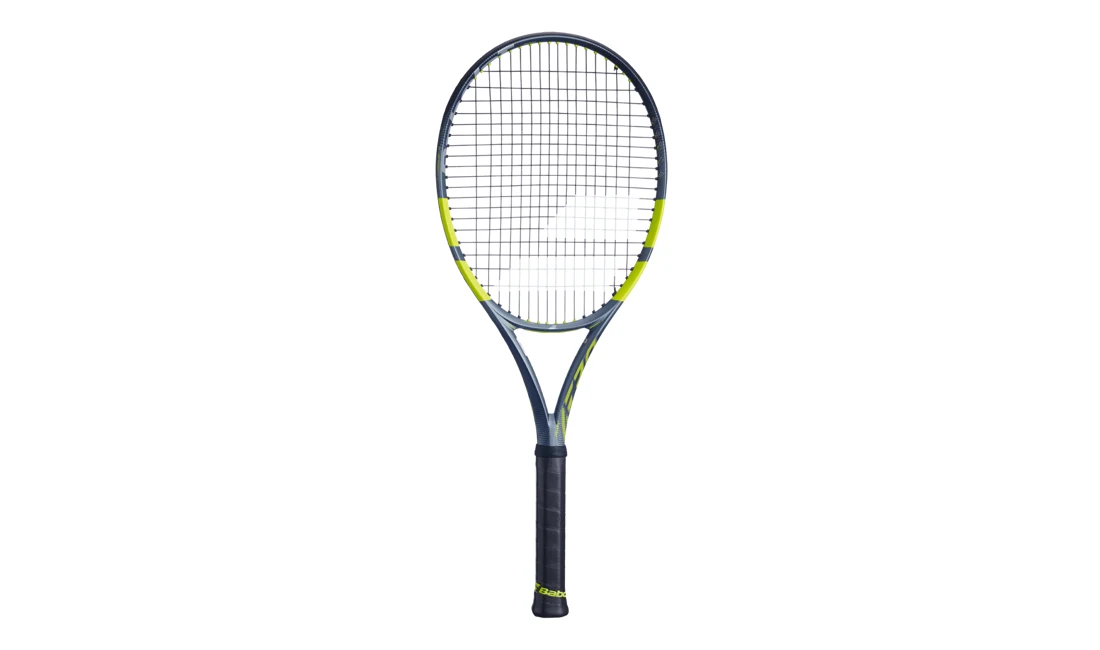
Babolat’s 2026 Pure Aero collection is the ninth generation of its spin-oriented family. Its official description highlights a revised aerodynamic frame and flax fibres intended to influence impact feel. Babolat reports approximately six percent less aerodynamic drag, based on computational fluid dynamics analysis by Sheffield Hallam University’s Sports Engineering Research Group. 2
That percentage needs to stay attached to the measurement. Six percent less modelled drag is not a statement that your racquet will move six percent faster or that your shots will carry six percent more spin. The eventual shot also depends on how you swing and where you make contact.
For the player, the interesting question is whether the racquet feels easier to accelerate while preserving a controllable response. Test a normal crosscourt exchange, then a flatter approach shot and a defensive return. An attractive launch angle on a comfortable feed is only part of the decision.
The Pure Aero name covers different models. Compare the specific head size, weight and string pattern you are considering. A comparison between different models can reveal a useful preference, but it cannot isolate the effect of the generation change.
HEAD SQUARED introduces a different construction story
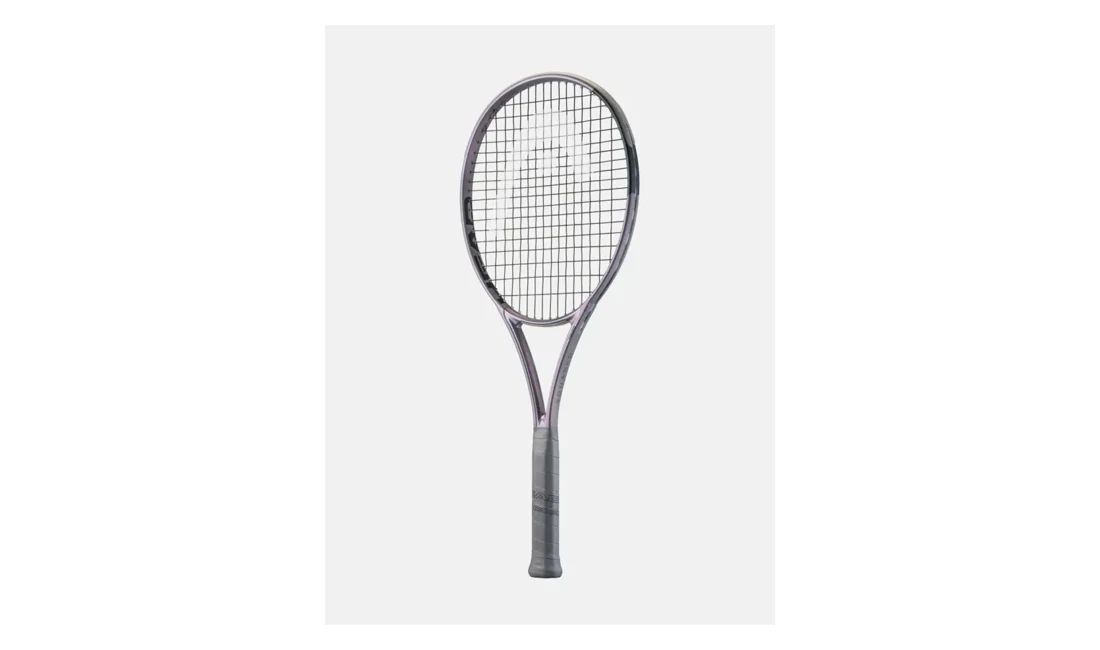
HEAD unveiled SQUARED on April 9, 2026. Its central feature is a dual-tube construction: an outer tube using Torayca T800S carbon fibre and an inner, foam-filled Comfort Tube. HEAD presents the outer and inner structures as ways to address power and impact feel separately. The announcement also identifies a head-light balance, a 16-by-18 string pattern and directional drilling. 3
This is a more substantial product story than a fresh paint finish. It offers a construction concept for players to investigate. However, HEAD’s statements about reduced vibration or muscle activity should remain manufacturer claims. They do not establish that this racquet will prevent an injury or resolve an existing arm problem.
For a demo, concentrate on whether the frame is easy to position during quick exchanges and whether the response remains reliable against pace. Try serves and returns as well as comfortable groundstrokes. An appealing first impression during gentle rallying does not answer every playing question.
SQUARED is worth including in a comparison if handling and feel are priorities. The useful outcome is a setup that works for the player, not a purchase justified solely by a new construction label.
Wilson Blade v10 updates control without abandoning the family
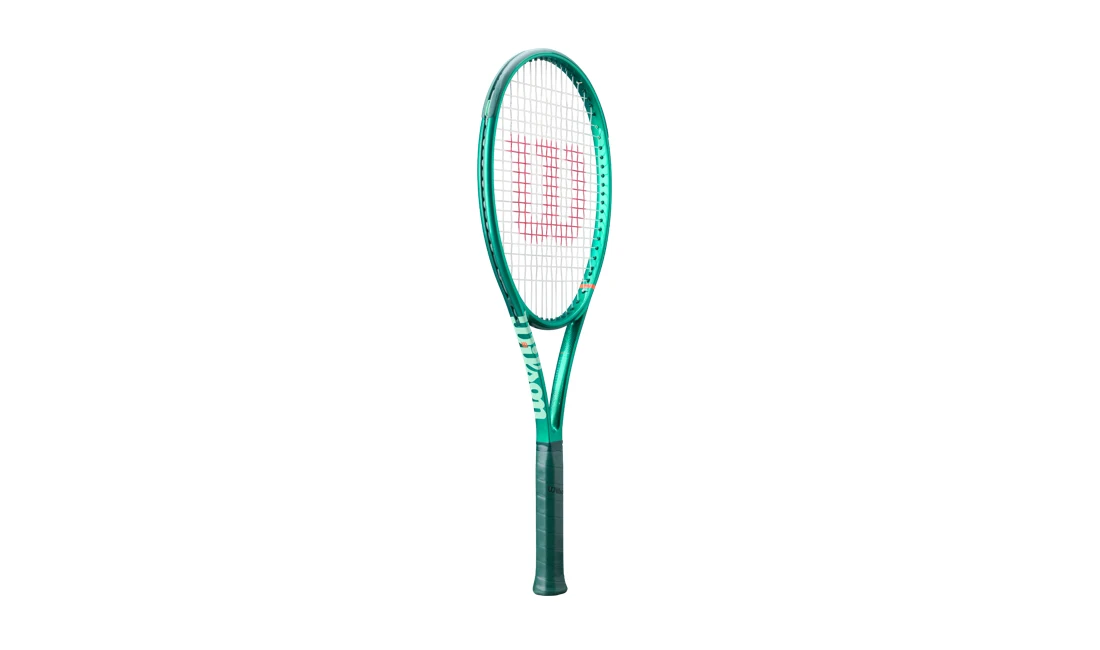
Wilson launched Blade v10 on April 15, 2026. Its announcement identifies TurboTaper beam changes and StableFeel+ technology, presented as ways to increase available power and stability while retaining the line’s control-oriented response. The range includes Blade 98 versions with 16-by-19 and 18-by-20 patterns, as well as Blade 100 and 104 models. 4
Wilson also promotes tighter consistency in manufacturing specifications. That is relevant when buying multiple frames, although it should not be rewritten as proof that every retail racquet is physically identical. The launch announcement lists US prices of US$289–299; those are launch references, not a current quotation for every market. 4
For an existing Blade user, the comparison should begin with the equivalent model. Ask whether the added response helps you create depth without making your usual targets harder to find. Include volleys and returns, where a change that feels useful from the baseline may create a different impression.
Players who already own a dependable matched pair have a particular reason to test carefully. The benefit of an upgrade needs to justify replacing a setup whose response they already understand.
Yonex MUSE makes comfortable rallying the main proposition
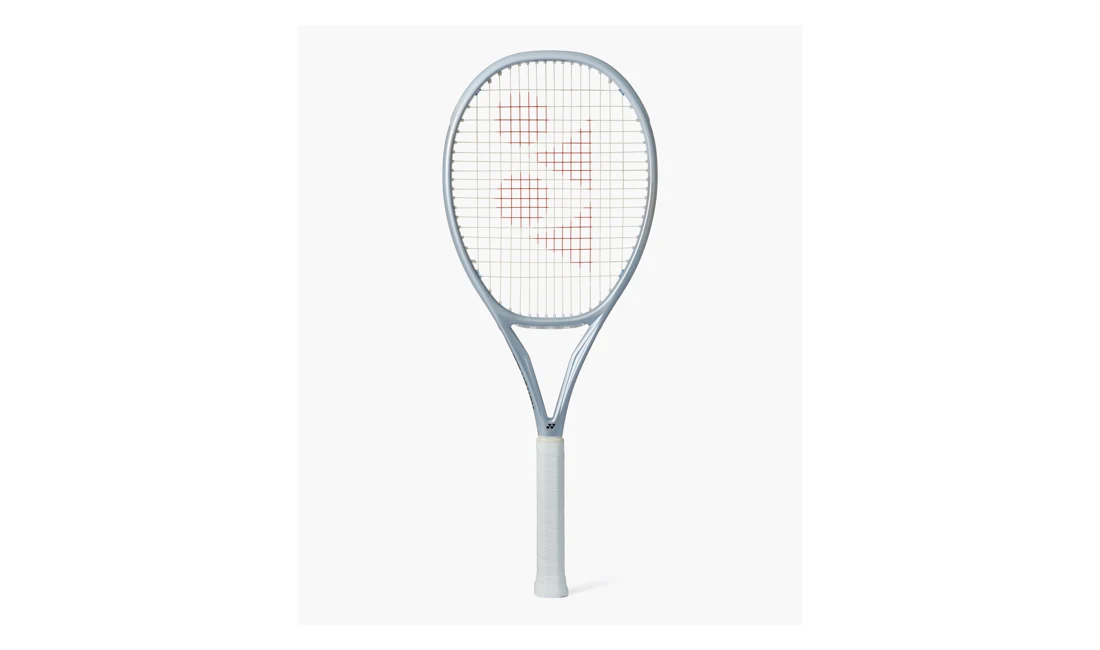
Yonex announced MUSE as a new racquet family scheduled for global availability in late April 2026. Its range includes MUSE 98, 100, 100L, 100SL and 107. The manufacturer describes a Synchro Frame concept, an Energy Flow Shaft and Servo Filter material, with an emphasis on manageable handling and a comfortable response. 5
Yonex also announced a coordinated capsule collection including bags, shoes, strings and dampeners. Matching accessories are a separate part of the launch; their appearance does not establish a performance advantage for the racquet. 5
The interesting editorial point is the choice to make enjoyable rallying central to the product’s identity. A racquet does not have to be presented as an uncompromising tour weapon to deserve attention from club players.
A prospective buyer should still test against the demands of their own game. Is it easy to begin a rally and maintain depth? Can you control a short ball when moving forward? Does the model you selected remain comfortable to handle late in a session? Those answers are more useful than assuming every racquet in the family will suit the same player.
Wilson Defyer adds a new spin and power family
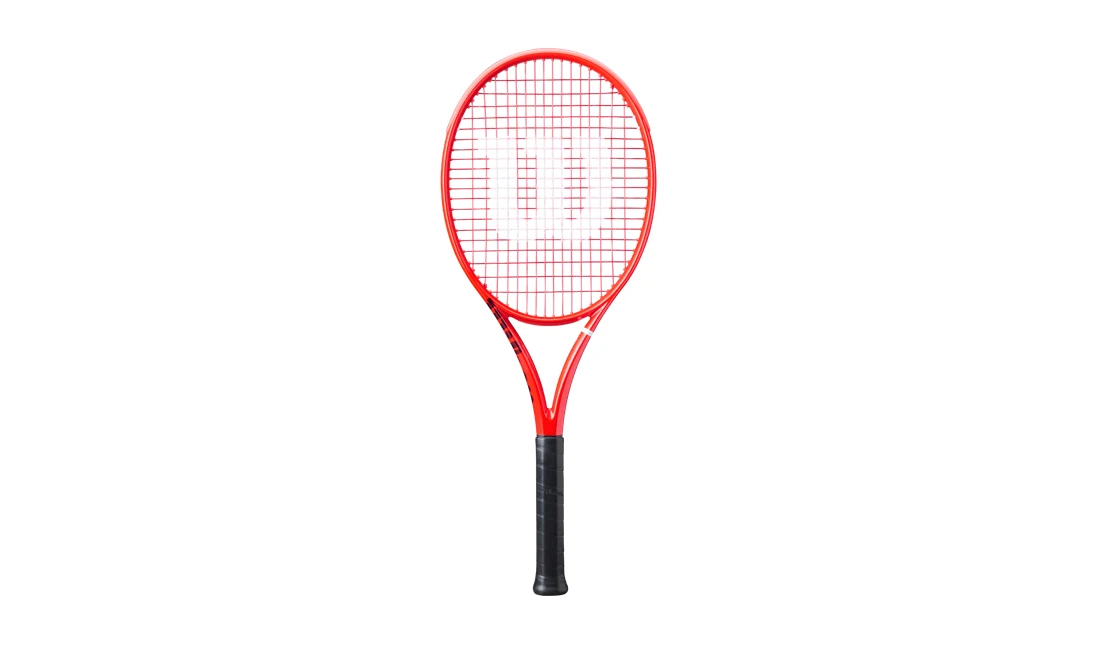
Wilson announced Defyer on July 9, 2026, opening advance purchases that day. Its release specified a July 23 arrival for the 98 Pro and the start of the 100-model rollout on August 21. The announced family comprises 100, 100L, 100UL and 98 Pro models, with US launch prices of US$279–299. 6
The manufacturer identifies Torq Shaft construction, an Airfoil Bumper and Si3D lateral-bending design among its features. It positions the family around spin, power and handling. These descriptions establish the design proposition, rather than a demonstrated ranking above competing racquets. 6
The staged rollout is also a reminder to distinguish announcement, preorder and actual model availability. July 9 should not be reported as the day every Defyer model reached every shop.
For a player comparing spin-oriented options, Defyer adds another candidate alongside established families. Test whether the response helps your normal game, especially your ability to control depth when swinging freely. A powerful winner during a demo is memorable. The more revealing question is whether ordinary shots become more dependable over a full session.
ASICS Solution Speed FF 4 updates the movement package
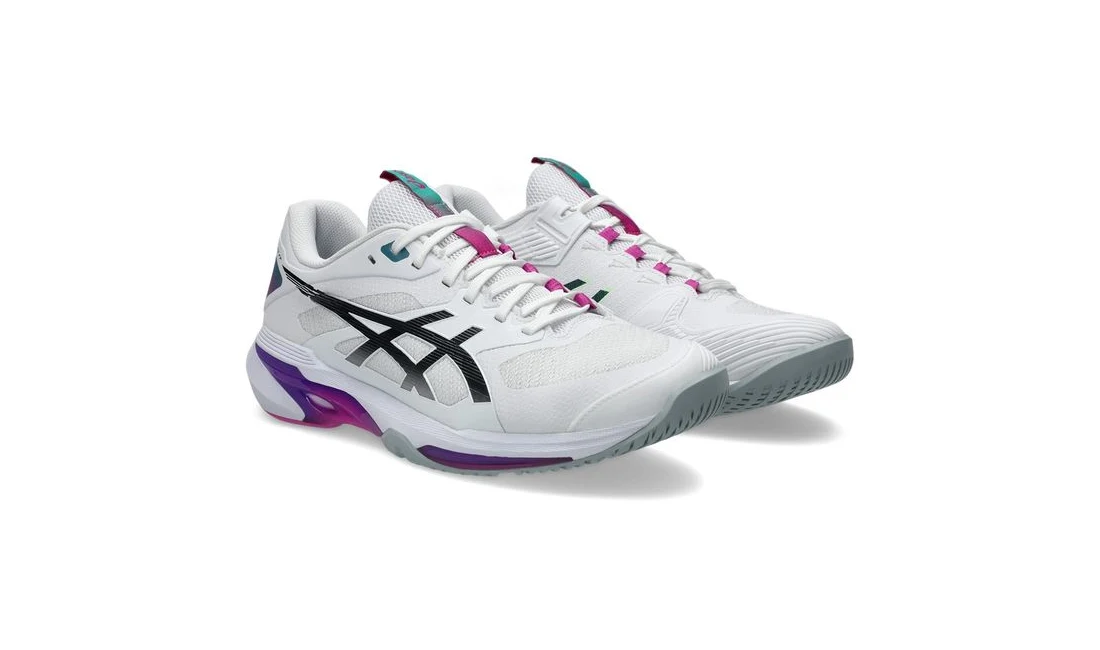
ASICS announced the Solution Speed FF 4 on January 8, with online availability beginning January 15, 2026. Its description highlights FLYTEFOAM cushioning, updated SPEEDTRUSS technology and a PRECISION-SOLE outsole with ASICSGRIP rubber in the toe area. The shoe is positioned around speed, agility and lightweight support. 7
Those features explain the intended changes. They do not establish that every player will accelerate faster or that the shoe will fit everyone who liked a previous generation.
When trying footwear, use your normal tennis socks and check the fit on both feet. Where a shop allows appropriate movement testing, assess how securely the heel and forefoot are held and whether there is uncomfortable pressure. Confirm that the outsole version is appropriate for your intended surface.
Footwear deserves its own decision rather than being treated as an accessory to a racquet purchase. A player’s preferred fit, support and court response may make a different model more suitable, even when a new launch has attractive technical features.
What the launches suggest about equipment development
Taken together, these products show manufacturers working on access to spin, the relationship between power and feel, and the ease of moving equipment through a shot. The new families broaden the choices, while the generation updates offer existing customers another version of a familiar concept.
That is an assessment of the launch material, not evidence that one technical approach has defeated the others. Brand vocabulary is not a shared measurement system. A stability claim from one manufacturer cannot be numerically compared with a comfort claim from another without a suitable common test.
Nor does professional endorsement settle a club player’s decision. A useful comparison concerns the retail product you can obtain, the strings fitted to it and the way it performs in your hands.
Give the upgrade a fair test
Start by identifying what you want to improve. More reliable depth, easier handling or a preferred impact response is a clearer target than simply wanting the newest racquet. Include your current equipment in the comparison so familiarity does not become an invisible advantage or disadvantage.
Record the demo setup, including the string, tension where known, grip and any added weight. If the setups differ substantially, describe the result as a preference between complete setups. Do not attribute every difference to the frame technology.
Use a repeatable session that includes rallying, returns, serves, volleys and points. Note what happens on routine shots as well as your best contacts. If possible, repeat the comparison on another day before making an expensive change.
A launch year does not decide the winner
The most interesting 2026 products provide specific ideas worth testing. SQUARED presents an unusual construction approach. MUSE gives comfortable rallying a distinct identity. Defyer introduces another performance family, while VCORE, Pure Aero and Blade develop established ones. The Solution Speed FF 4 brings a documented update to a familiar footwear line.
The right purchase is the one whose benefit survives a fair comparison with what you already use. A new release can earn a place in your bag. Its year alone cannot earn that place for it.
Editorial method
This is a researched equipment overview, not an exhaustive catalogue or a hands-on comparative review. Release information and technical descriptions were checked against the linked manufacturer sources in October 2026. Performance statements are attributed to the brands; practical demo suggestions are editorial guidance. Launch prices are explicitly US-dollar references and may differ from current Canadian or other local prices. No affiliate links are included.
Sources
- [1] Yonex eighth generation VCORE announcement and rollout dates
- [2] Babolat Pure Aero Gen9 official 2026 collection
- [3] HEAD SQUARED manufacturer announcement April 9 2026
- [4] Wilson Blade v10 manufacturer announcement April 15 2026
- [5] Yonex MUSE announcement and late April 2026 launch
- [6] Wilson Defyer announcement and staged model arrivals July 9 2026
- [7] ASICS Solution Speed FF 4 manufacturer announcement January 8 2026
- Yonex VCORE 100 2026 — product photograph source
- Babolat Pure Aero Gen9 — product photograph source
- HEAD SQUARED — product photograph source
- Wilson Blade 98 16x19 v10 — product photograph source
- Yonex MUSE 100 — product photograph source
- Wilson Defyer 98 Pro v1 — product photograph source
Comments
No comments yet.